
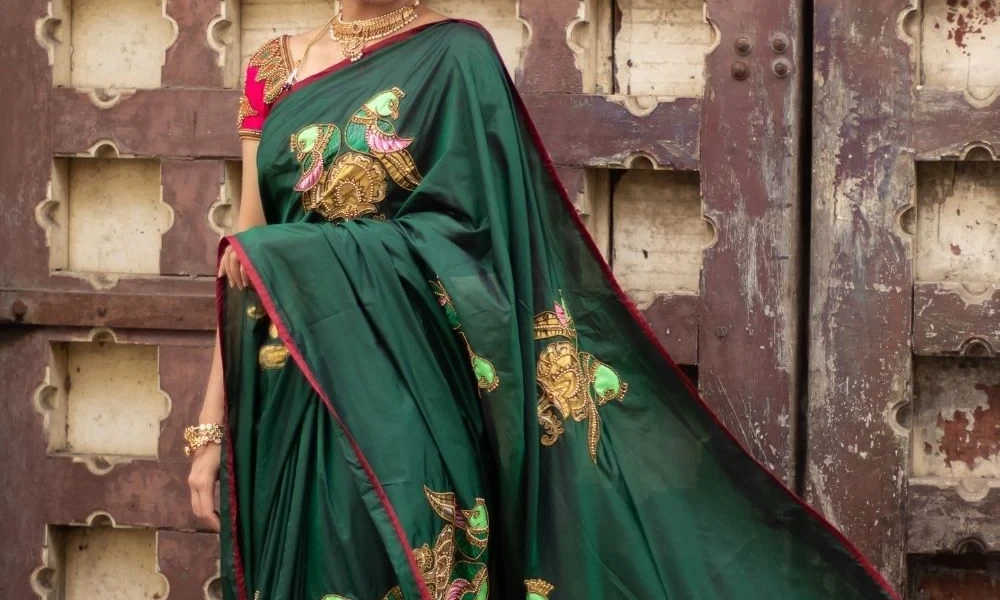

The most interesting ethnic pieces being made right now draw from craft heritage and build on it. Updated cuts, considered fabric pairings, embellishment applied with restraint to classic forms. The result is ethnic wear that transitions easily outside of ceremony contexts while holding on to everything that makes it distinctly Indian.
Where Modern Ethnic Design Actually Comes From
Designers working with handloom fabrics started introducing cleaner cuts. Brands that grew up serving festive occasions began developing everyday lines built on the same craft sourcing. The aesthetic moved from occasion-specific to occasion-adaptable.
Aarke Ritu Kumar sits at the intersection of this shift. The brand draws from Ritu Kumar’s decades of work in Indian craft and textile heritage, translating it into pieces that carry that heritage without the formality that traditionally came with it. Prints, embroideries, and fabric choices that reference tradition but are cut and proportioned for contemporary wear.
Modern Ethnic Wear: What The Category Looks Like
| Style Direction | Key Characteristics | Best Worn For |
| Heritage craft, modern cut | Handloom fabric, clean lines | Office, casual occasions |
| Minimal embellishment | Tonal or thread work only | Day events, travel |
| Contemporary outlines | Flared sleeves, asymmetric hems | Social gatherings |
| Fusion-ready pieces | Ethnic fabric, western proportions | Everyday wear |
Accessible Elegance As A Design Standard
Not every updated ethnic piece needs to carry a luxury price tag. The more interesting development has been brands bringing the same design thinking to accessible price points without compromising on fabric or finish.
Aurelia has built its range around this. The pieces are designed for regular wear, not reserved for specific occasions. Prints are contemporary, fabrics are practical, and the cuts work for both office and casual contexts. Aurelia is also consistent in sizing and construction, which matters more than most buyers account for when shopping ethnic wear online.
Styling Updated Ethnic Pieces
A well-cut Aarke Ritu Kumar kurta in a printed handloom fabric needs minimal addition. One pair of earrings and clean footwear is enough. Block heels, loafers, and structured flats all work alongside contemporary kurtas in a way they would look mismatched against heavily traditional pieces.
Building A Modern Ethnic Wardrobe
A couple of Aarke Ritu Kumar pieces for special occasions and a broader selection of Aurelia styles for regular rotation is a practical way to build this wardrobe.
Earthy tones, dusty pastels, and deep jewel colours across both ranges make cross-brand mixing straightforward.
To Wrap Up
Aarke Ritu Kumar and Aurelia each bring a distinct approach to contemporary ethnic dressing on AJIO, one rooted in craft heritage translated into modern wear, the other focused on accessible everyday elegance. AJIO carries 1,000+ options across both. Returns are accepted within 30 days of delivery.
FAQs
- What makes contemporary ethnic wear different from traditional styles?
Primarily cut and proportion. Traditional ethnic wear is all about coverage and embellishment. Current versions have cleaner lines, updated fabric combinations and cuts that translate across more daily situations.
- Can modern ethnic kurtas replace western tops in an everyday wardrobe?
For many contexts, yes. A well-cut contemporary kurta in a practical fabric covers office, casual, and social occasions without requiring a wardrobe switch the way occasion-specific ethnic pieces do.
- How do I style a handloom kurta for the office?
Pair with straight-cut salwars or tailored trousers in a solid tonal colour. Keep jewellery to a minimum. The fabric and print in a good handloom piece do enough visual work on their own.
- Is it possible to mix pieces from heritage brands with high-street ethnic wear?
Yes, provided the colour palette and occasion register are consistent. A heritage-print kurta with a solid cotton bottom from a more accessible brand works well if the colours coordinate.
- What fabric care do handloom ethnic pieces require?
Most handloom cottons and silks benefit from cold hand-washing or dry cleaning depending on the weight. The first wash should always be done separately to prevent dye transfer, particularly in darker colours.
Redefining Elegance: Modern Approaches to Traditional Ethnic Wear
